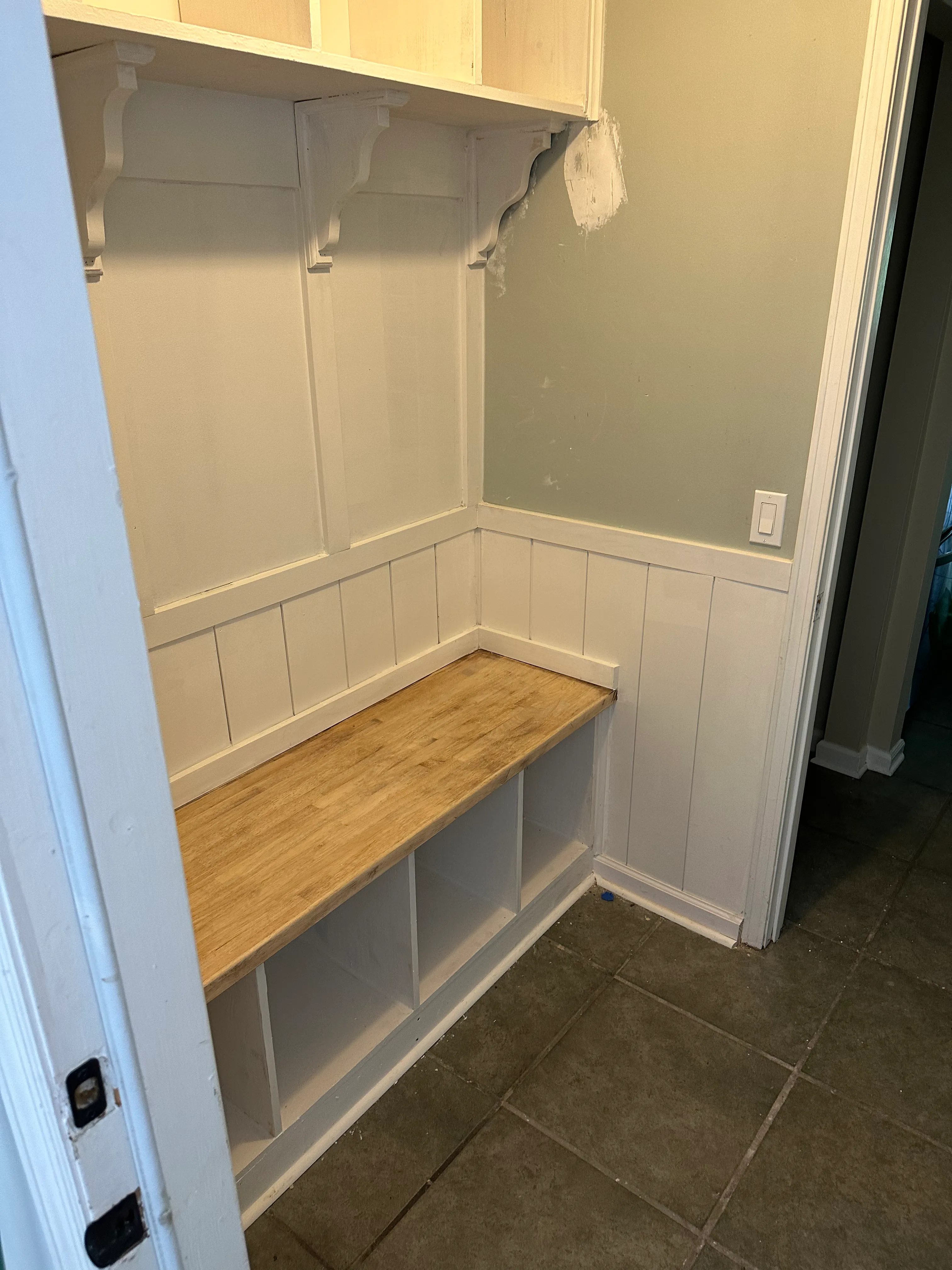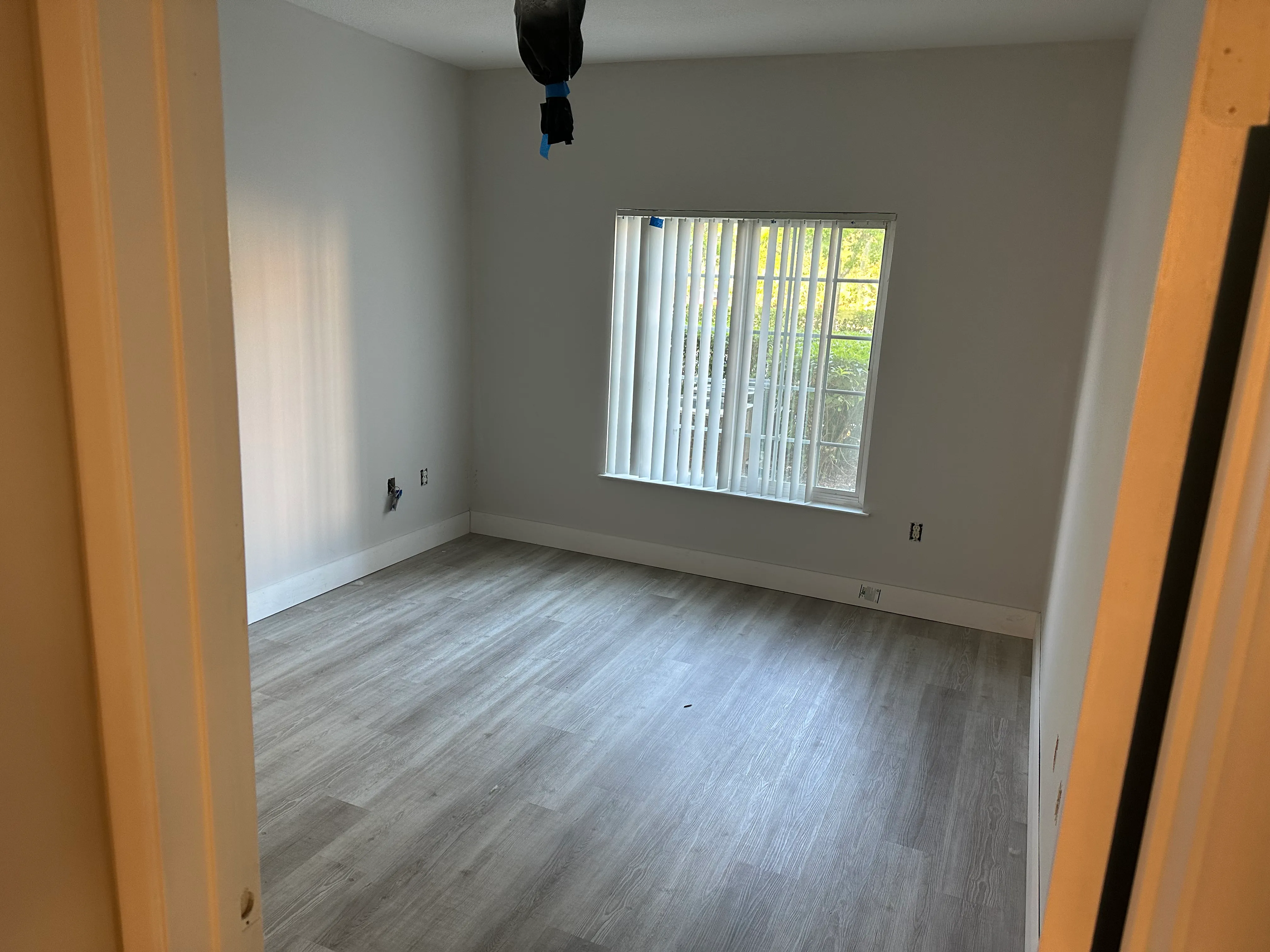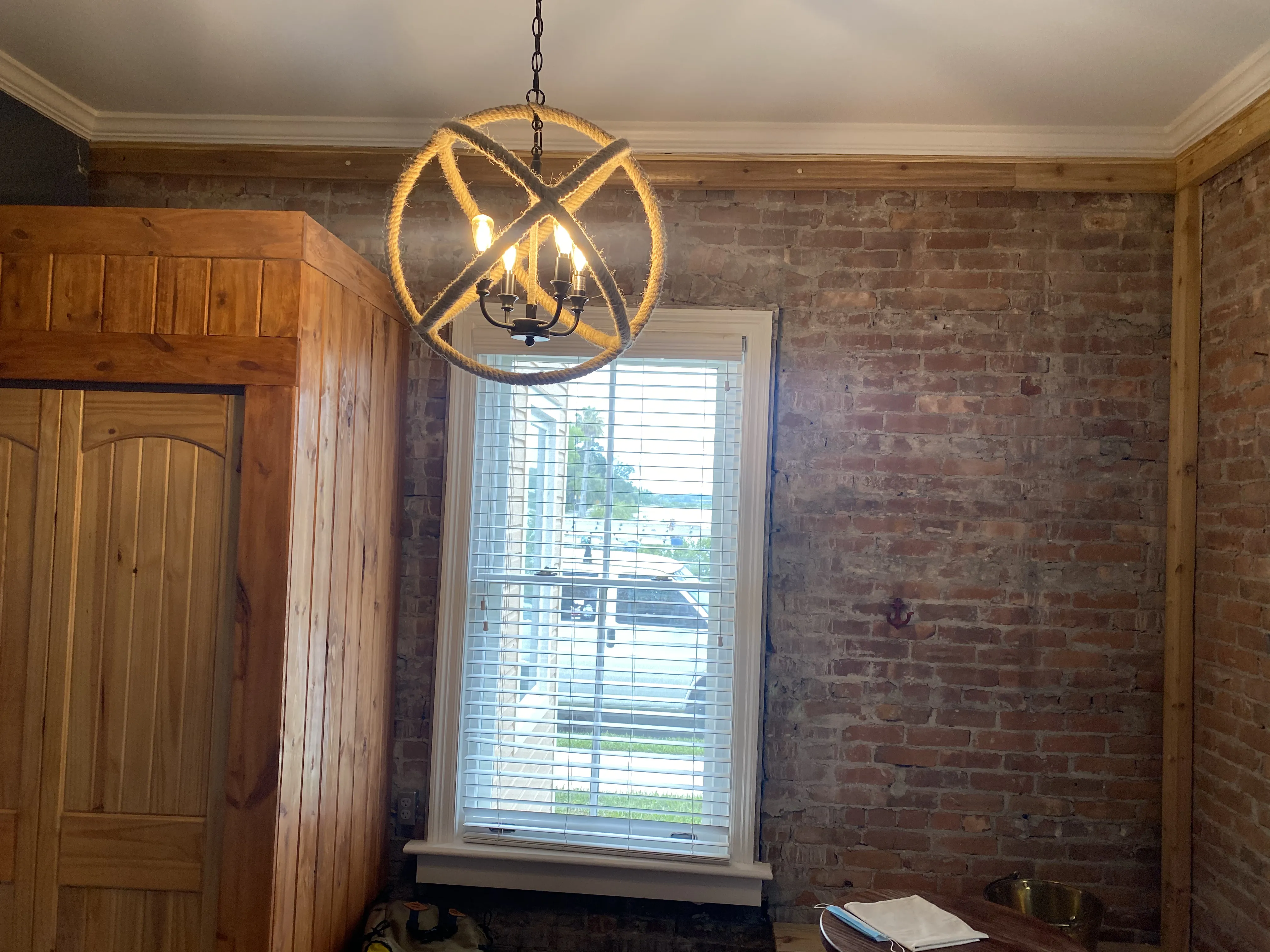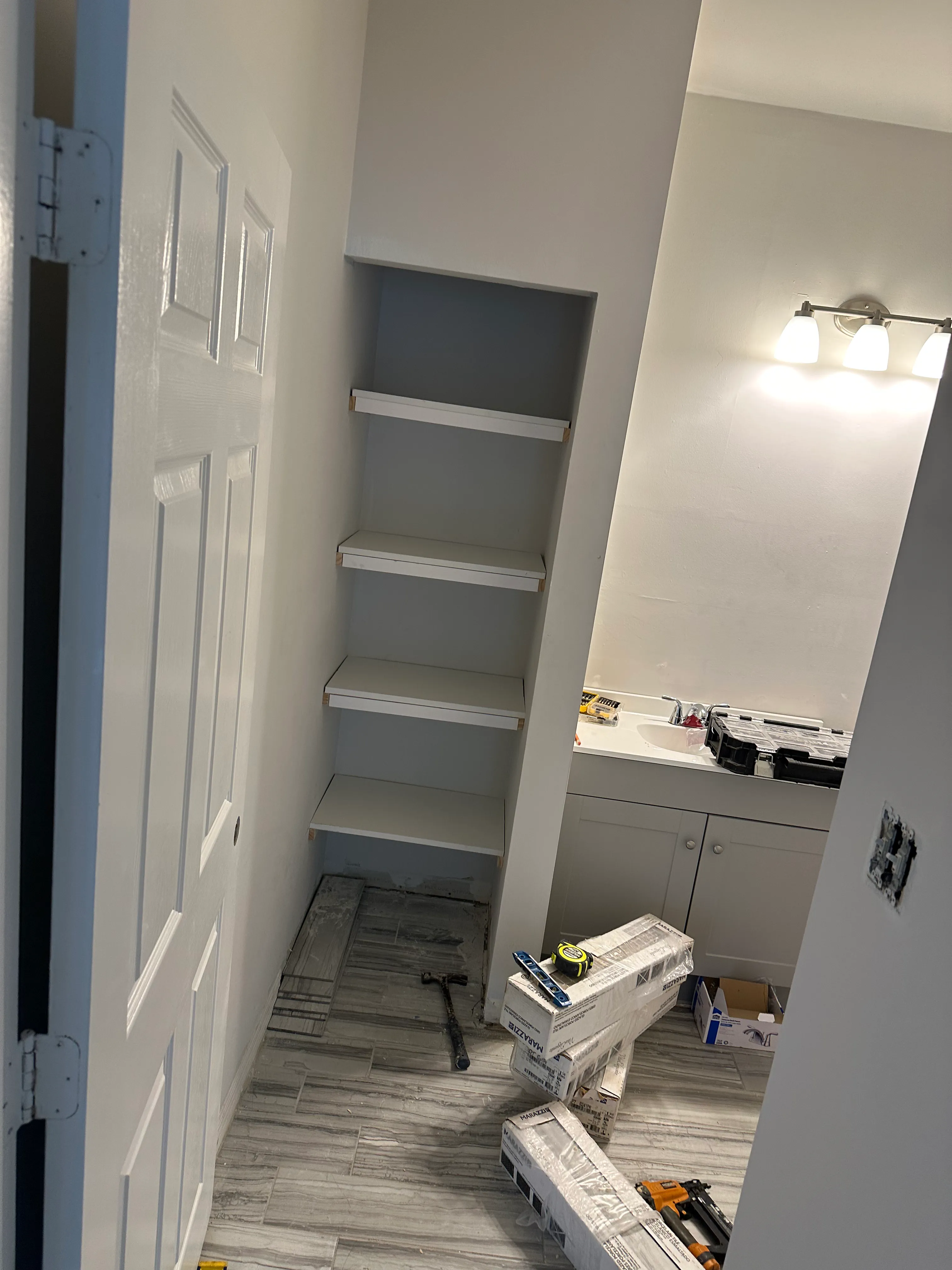
A handyman service helps a homeowner work through smaller repairs, routine upkeep and practical installations without treating every item as a separate project. It is a good fit when the jobs are connected by one room, one repair list or one finished result. The right starting point is not the label alone. It is the work itself, the condition behind it and the kind of professional the job requires.
What a handyman service can include
Most handyman work falls into three useful groups. Repairs address something that is damaged, loose, worn or no longer working as intended. Maintenance handles the smaller tasks that keep a home in good shape before they become a bigger interruption. Installations add or replace a finished detail, such as shelving, hardware or a TV mount.
Those categories can overlap in one visit. A room may need a damaged wall repaired before paint goes on, then a shelf or television installed after the finish work is complete. Looking at the whole list together helps a homeowner explain the desired result instead of trying to turn every task into a separate trade name.
Good Fellas focuses on finish-minded home repair work
Good Fellas lists practical home repairs, drywall touch-ups, trim fixes, painting, installations, shelving and other finish-focused maintenance work. That can include repairing a wall before paint, fixing trim, adding shelving or installing a TV with a cleaner setup. The common thread is work that helps a room feel cared for and ready to use.
For homeowners with a mixed list, the St. Augustine handyman service explains the local service in more detail. The handyman-service overview is also a useful starting point when the work centers on repairs, installations and the practical jobs that have been waiting too long.
Some projects need a licensed specialist instead
Handyman work has a boundary. In Florida, work that constructs or changes a building, alters a load-bearing wall, or involves regulated systems can require a state contractor license. The Florida Department of Business and Professional Regulation explains when a DBPR license is required and notes that local requirements can also apply.
If a project could affect structure, create a fire or flood risk, or needs a permit, pause before assuming it belongs on a general repair list. Describe the job clearly and confirm what it requires before work begins. A qualified specialist may be the right next call when the scope goes beyond straightforward maintenance, repair or installation work.
What to prepare before requesting handyman help
Start by writing down each task in plain language. Note what changed, where it is located and what you want the finished space to do. Photos help when a wall has visible damage, a trim detail needs to match nearby work, or an installation has to fit around furniture, outlets or existing finishes.
It also helps to separate what you know from what you are guessing. “A soft spot near the window” is more useful than deciding it only needs paint. “A shelf for this wall, with the television staying below it” gives a clearer starting point than asking for a room update. The Association of Certified Handyman Professionals recommends making a task list before contacting a handyman.
A written scope keeps a mixed project easier to manage
A mixed repair list can change once the space is seen in person. A useful scope separates the items to be addressed from the preparation, materials and access each one needs. It should also make room for an honest conversation if the visible condition turns out to be different from what photos suggested.
Ask what is included, which details need a closer look and how an added repair would be handled before it becomes part of the work. The same professional association advises homeowners to get the agreement in writing, which helps prevent forgotten details and crossed wires when a project includes several smaller tasks.
Connected work needs an order that makes sense for the room
A room often looks better when repair work comes before the visible finish. A damaged wall can be repaired before it is painted. Trim can be addressed before the final coats go on. A shelf or TV installation can be planned around the finished wall, the furniture below it and the way the room will be used afterward.
That sequence does not turn every list into one large project. It simply gives the homeowner a way to spot the tasks that affect each other before the work begins. If your list includes drywall damage, trim, paint or an installation that needs to work with the finished space, share the room, the tasks and a few photos to start with a clearer scope.