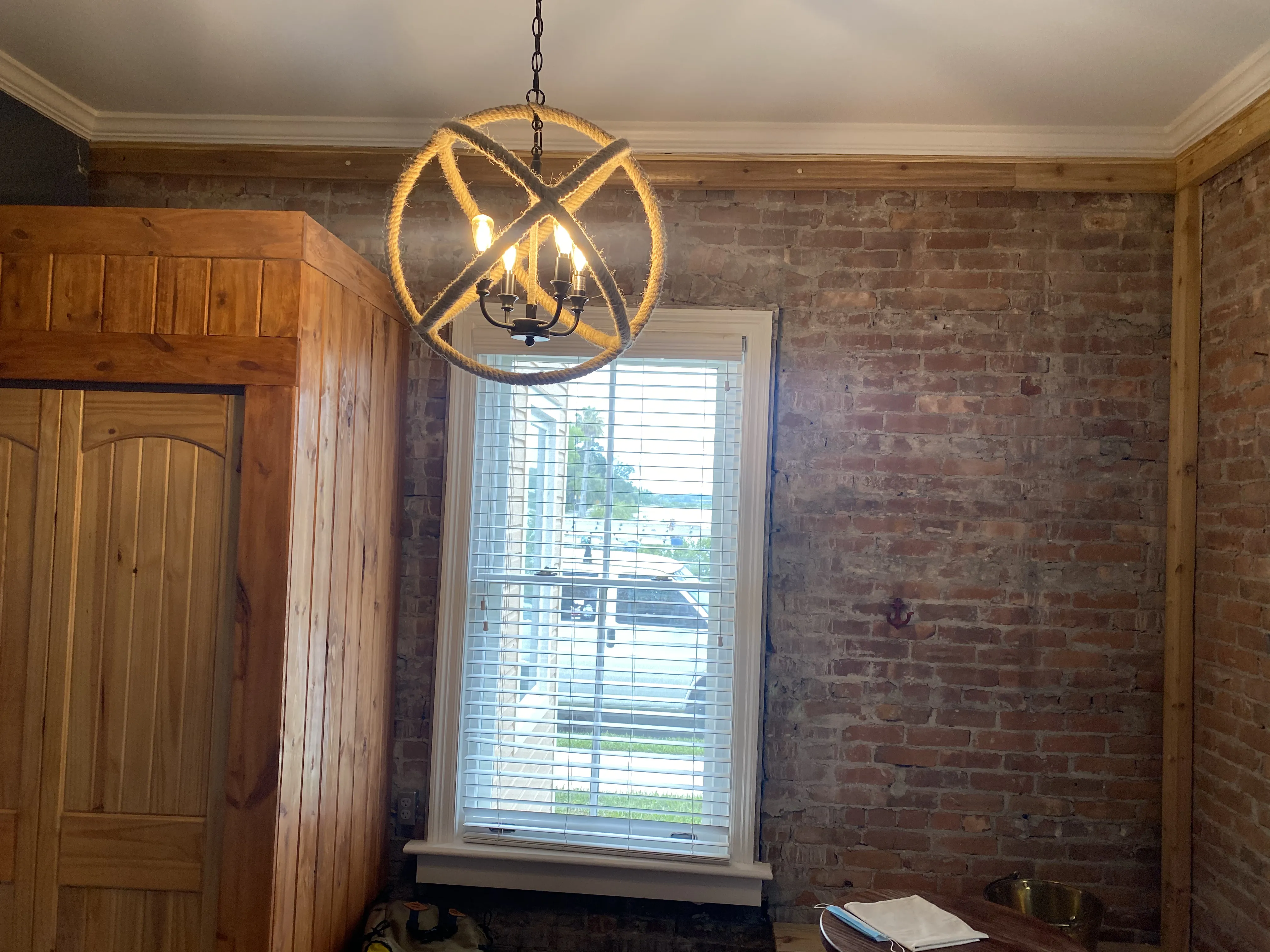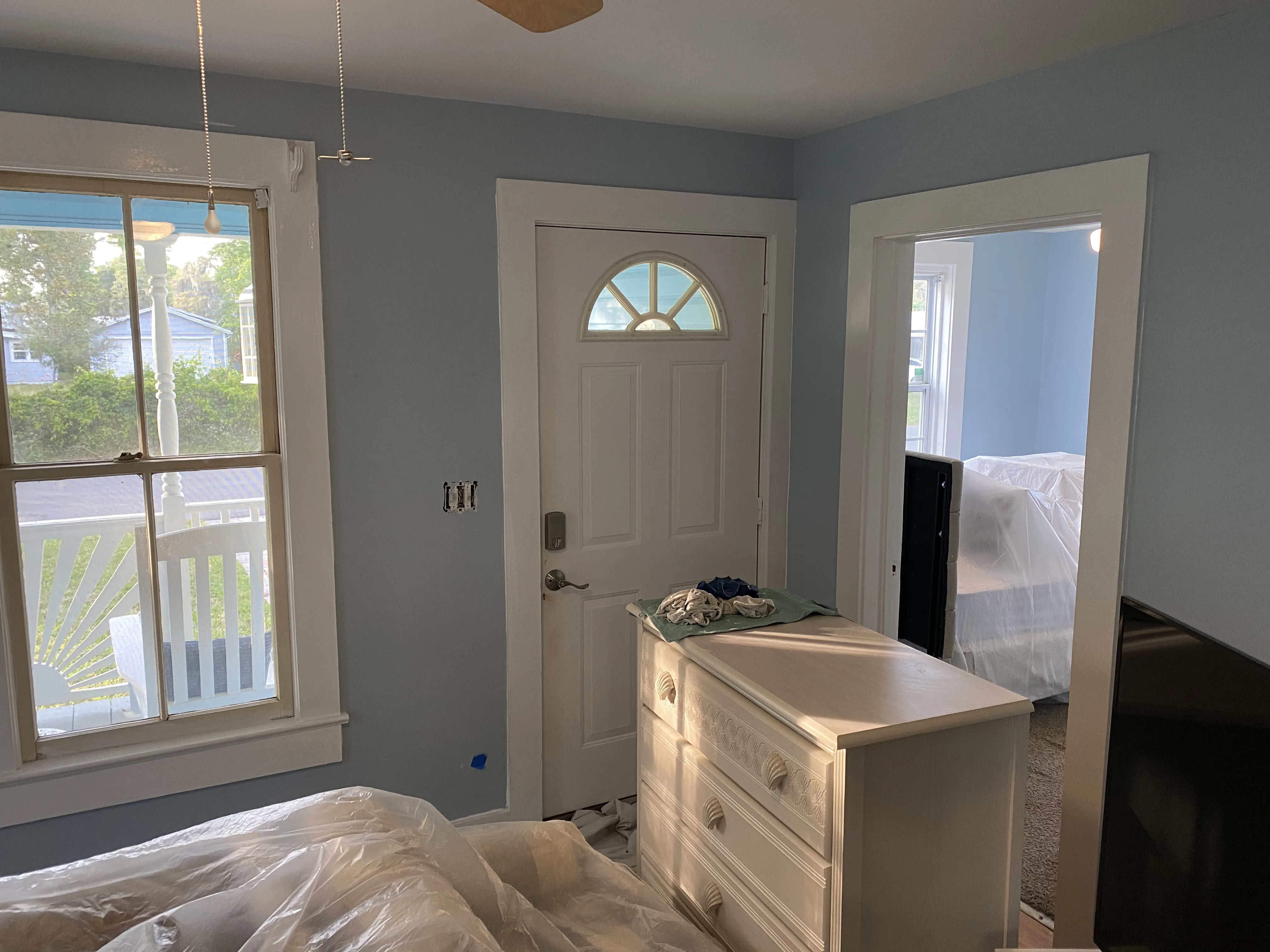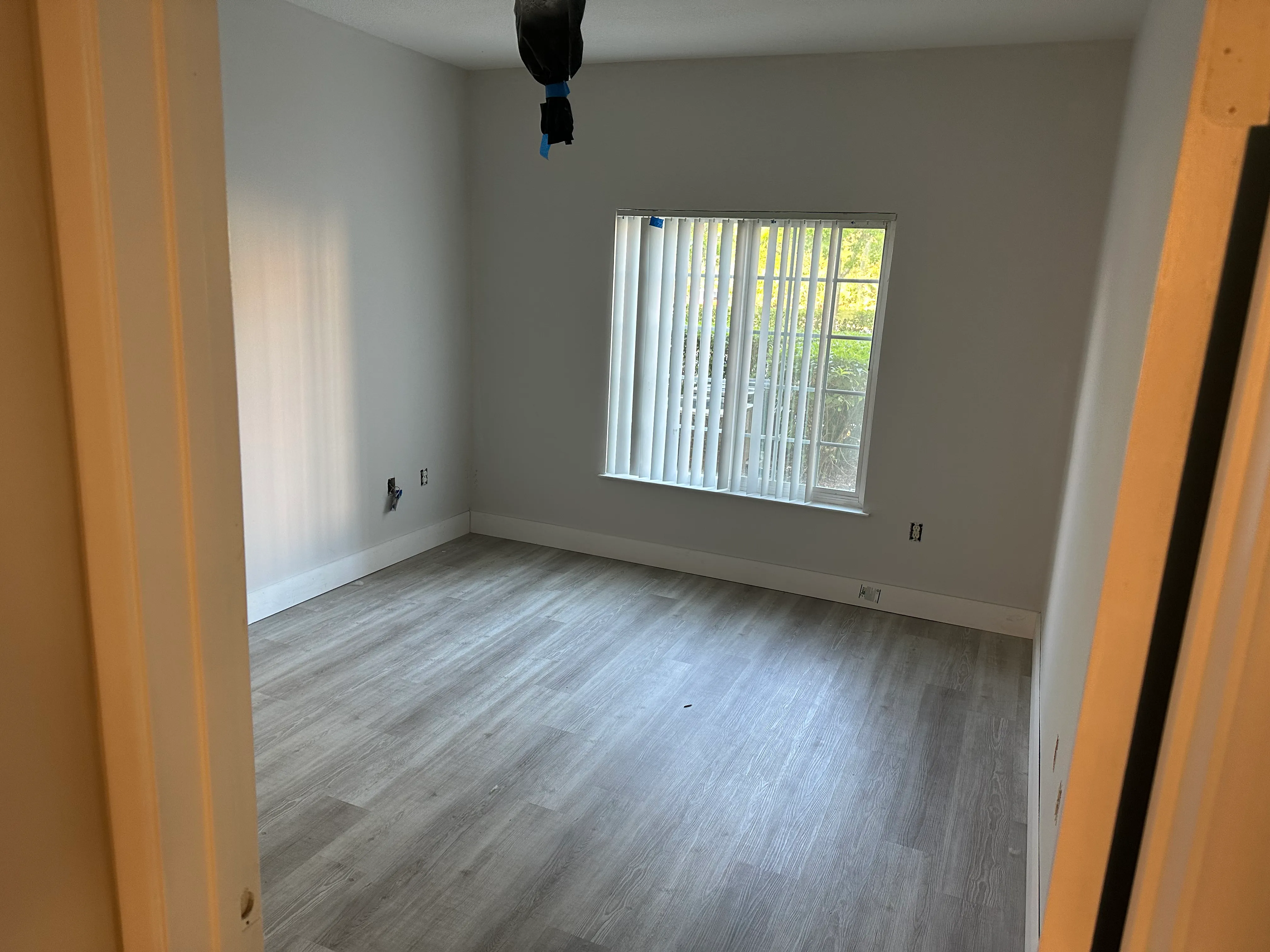
An interior painting budget is easier to plan when you treat it as a scope question, not a price-per-room question. The walls are only one part of the room. Ceiling height, trim, repairs, color changes, furniture protection and the condition of the existing finish can all change the time and care a clean result needs.
That is why two prices for what sounds like the same job can look far apart. One may cover walls only with light preparation. Another may include patching, priming, ceilings, baseboards, doors and a color change. Neither number tells the full story unless the work behind it is clear.
This guide gives St. Augustine homeowners a practical way to build a planning range, compare estimates and prepare for a productive conversation. It is not a price list or a substitute for seeing the rooms in person. It is a way to understand what belongs in a useful quote before choosing a painter.
The Short Answer: Scope Sets the Interior Painting Cost
Recent national cost reporting from Angi's 2026 interior painting guide puts walls-only work broadly around $1,500 to $5,000, with room size, layout, ceiling height, preparation and included surfaces shaping the total. The same source places a 2,000-square-foot whole-home interior project in a broad $4,000 to $12,000 range. Those are planning references, not a St. Augustine quote.
Your home may sit well outside a national average depending on its layout and condition. A simple guest room with sound walls and one color is not comparable to a main living space with tall ceilings, multiple colors, repairs and detailed trim. The useful starting point is to define what you want painted and what needs to happen before the first finish coat goes on.
Start With the Rooms and Surfaces You Want Painted
Most homeowners begin with floor-plan square footage, but a painter is also looking at paintable wall area, ceiling height, doors, windows, baseboards, crown molding and the number of edges that need careful cutting in. A large, open room can sometimes be more straightforward than a smaller room filled with built-ins, vaulted ceilings and detailed trim.
Be specific about the surfaces you want included. Walls only, walls and ceilings, trim, baseboards, doors, closets and accent walls can each change the rhythm of the job. Ceilings and trim are not automatic add-ons because they often require different products, more masking and slower detail work. If a surface matters to the finished look, make sure it appears in the written scope.
The goal is not to turn your home into a measuring project. It is to avoid the vague request to “paint the room” when you really want a fully refreshed room with the ceiling, baseboards and repaired wall included. That small distinction gives everyone a better place to start.
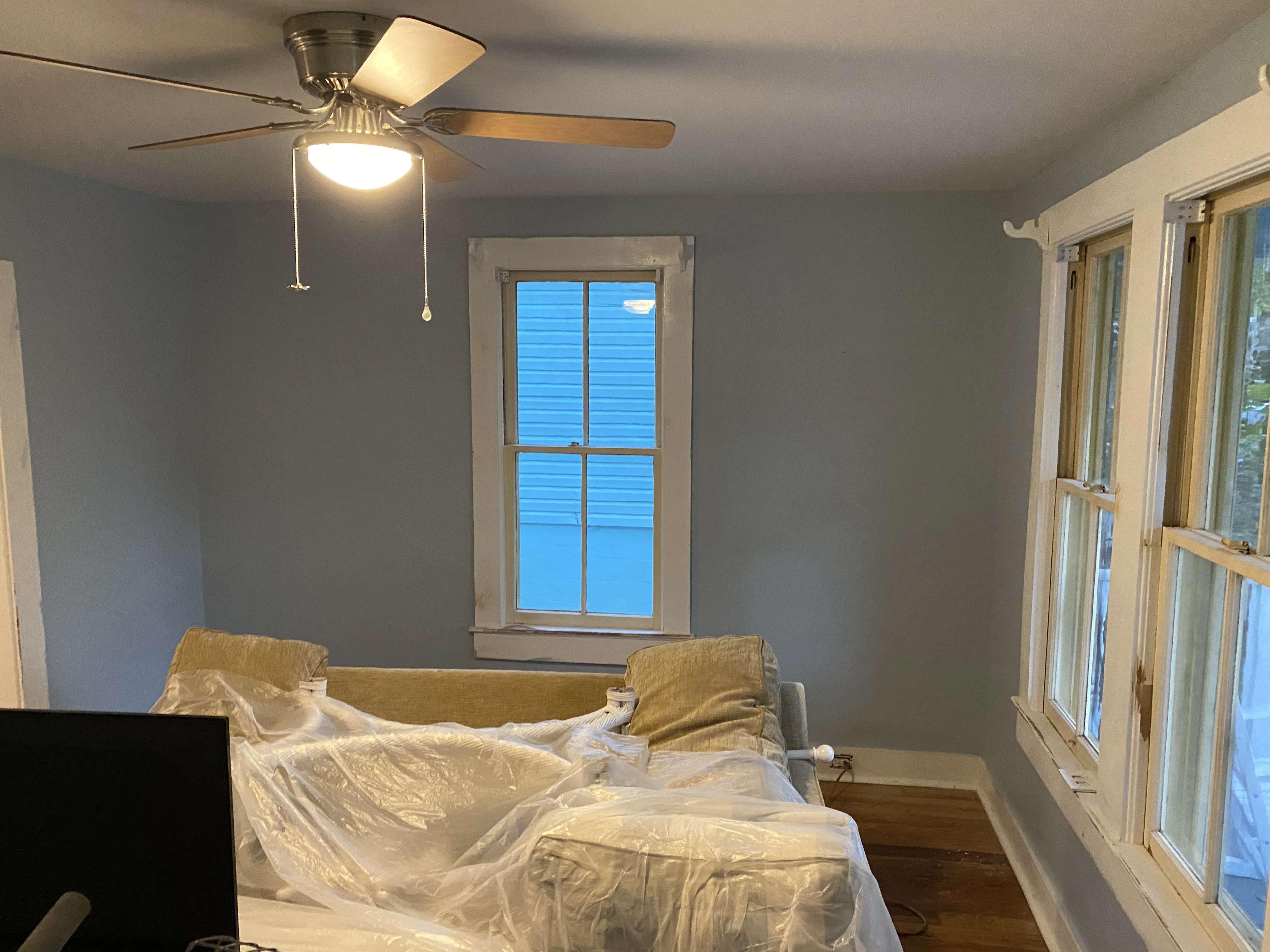
Preparation and Repair Often Matter More Than the Colour
A lasting interior finish starts with the wall underneath it. Nail holes, dents, old anchors, peeling tape lines, drywall cracks, water stains, texture damage and glossy patches all need to be assessed before painting. A good scope separates ordinary preparation from repairs that need more attention, so a homeowner is not surprised when a hidden problem is found.
For a wall that only needs cleaning and a light scuff, preparation may be fairly simple. For a wall with damaged drywall or an obvious texture mismatch, it may involve patching, drying time, sanding, primer and careful blending before a finish coat can look right. The site's wall-preparation checklist explains why those steps are part of the result, not busywork before the paint goes on.
Older homes deserve an extra pause. If painted surfaces in a pre-1978 home will be sanded, scraped or otherwise disturbed, the EPA's lead-safe renovation guidance explains when specific work practices and certified firms are required. That should be handled as a safety decision before the painting scope is finalized.
What Raises or Lowers the Price of an Interior Paint Job?
Wall condition. Sound, clean walls move more quickly than walls with patches, stains, old adhesive, texture damage or repeated cracks. The cost difference is not about finding reasons to add work. It is about giving a repair the time it needs before the finish makes every imperfection easier to see.
Ceiling height and access. Tall stairwells, vaulted rooms, high foyers and hard-to-reach areas take more setup and careful work than a standard-height bedroom. The same is true for rooms with fixed furniture, built-ins or tight layouts that need protection and deliberate access.
Trim, doors and ceilings. These surfaces are often priced separately because they are different work. A baseboard or door may need cleaning, sanding, masking, primer or multiple thin coats. Adding them can transform the room, but it should be a conscious choice in the estimate.
Color and finish changes. Moving from a dark wall to a much lighter color, changing sheen or covering a bold accent can require added preparation or coats. That does not mean every color change is difficult. It means the proposed paint system should match the change rather than assuming one coat will solve every situation.
Occupied versus empty rooms. Protecting furniture, floors, art and fixtures takes time, and it should. An empty room and a furnished living room can have the same wall area while requiring very different setup and cleanup.
Use National Ranges Carefully, Then Ask for a Local Scope
Published ranges can help you decide whether a project belongs in this season's budget, but they cannot evaluate the actual rooms. Angi notes that average interior figures vary with room type and included surfaces, giving examples from about $200 to $500 for a bathroom to about $900 to $2,000 for a living room. Those examples are useful for scale, not for promising what a specific St. Augustine room should cost.
Local labour, the home's condition, the amount of repair, the paint system and the access all belong in a real estimate. Treat online numbers as a starting point for questions: Are the ceilings included? What preparation is assumed? Is drywall repair included? Are doors and baseboards in the total? What happens if a stain or damaged patch needs more work after the room is protected?
A quote that explains those points is easier to trust than a quick number that leaves every important detail open. It also makes competing estimates easier to compare fairly, because you can see where the scopes genuinely differ.
How to Compare Interior Painting Estimates
Put each estimate beside the same short checklist. First, confirm the rooms and surfaces. Then look at cleaning, protection, preparation, repair, primer, number of finish coats, paint product, color changes, cleanup and final walk-through. If one estimate says “walls only” and another includes ceilings, trim and repairs, they are not competing for the same job.
Ask how changes will be handled. A painter may find a loose patch, old water stain or damaged section that was not obvious in photos. A clear process for discussing that work before it is added protects both sides. The homeowner understands what changed, and the painter can repair the surface before covering evidence that will later show through.
It is also reasonable to ask about scheduling around the household. Bedrooms, kitchens, bathrooms and rental turnovers each affect how the work needs to be phased. The guide to interior paint drying and recoat timing can help you plan room use, furniture and ventilation after the painting is complete.
Ways to Keep the Plan Clear Without Cutting the Wrong Corners
The most dependable way to manage an interior painting budget is to make choices before work starts, not to quietly remove preparation after the room is already underway. If you need to phase the project, start with the rooms that affect daily living most, such as the main living area, a damaged bedroom or a rental turnover. Keep the scope for each room complete enough that it can be finished cleanly, rather than trying to stretch one partial paint job across the house.
Consider whether a color change, ceiling refresh or trim work genuinely belongs in the same phase. Combining related work can reduce repeated setup and disruption, but only when those surfaces are truly ready to be handled together. A painter should be able to explain the tradeoff clearly. For example, leaving sound closet interiors for a later date may be sensible; skipping a visible drywall repair before painting the wall is usually false economy because the finish will draw attention to it.
Homeowners can also make the process smoother by clearing small items, identifying fragile pieces that need special care and deciding where furniture can move before the start date. Those steps do not replace professional protection or preparation, but they reduce last-minute decisions and let the work stay focused on the finish. The goal is a room that feels complete when the job is done, not merely a lower number on a line item.
Where Good Fellas Can Help
Good Fellas approaches an interior painting project as a finished-room plan, not simply a color change. If the wall needs repair, the trim needs attention or the room needs to be protected while work is underway, those practical details can be considered with the painting scope. That is especially useful when a homeowner wants to avoid piecing together a repair phase and a finish phase with different people.
Browse the interior painting service, the drywall repair and texture service and the four-day condo turnaround project to see how preparation and finish work work together. When you are ready to discuss your rooms, request a quote with a few photos and the surfaces you want included.
What to Gather Before Requesting a Quote
A few practical details make the first conversation faster and more accurate: the rooms you want painted, daylight photos of each space, approximate ceiling height where it is unusual, any cracks, stains or damaged drywall, and whether you want ceilings, trim, doors or closets included. It also helps to say whether the room is furnished and whether you are keeping the current color or making a dramatic change.
You do not need to choose every paint color before asking for help. Start by clarifying the outcome you want and the condition of the room. If you already have samples or a preferred finish, bring them along. If you do not, the surface preparation and scope can still be planned first, which keeps the painting conversation grounded in the work the room actually needs.
Frequently Asked Questions
How much does it cost to paint one room?
The answer depends on the room's size, wall height, condition, whether ceilings or trim are included and how much preparation is needed. A straightforward bedroom with sound walls is a different scope from a kitchen with repairs, high ceilings and detailed trim. Ask for the included surfaces and preparation, not just a room total.
Why is interior painting more expensive than the paint itself?
Most of the work is in protecting the room, preparing the surfaces, cutting in carefully and applying an even finish. Paint is important, but it cannot make a rough repair, dirty wall or missed edge look finished. The labor behind those details is a meaningful part of a well-scoped quote.
Does an interior painting quote usually include drywall repair?
Small holes or minor touch-ups may be included, but larger cracks, water damage, texture matching and patching can be separate work. A useful quote states what preparation and repair are included, and what would be handled as an added repair if it is found during the project.
Should ceilings and trim be included in the same painting estimate?
They can be, but they should be listed clearly. Walls, ceilings, baseboards, doors and trim take different preparation and application time. Seeing each part of the scope makes it easier to compare quotes and decide which areas matter most for the project.
What should I send before asking for an interior painting quote?
Share the rooms you want painted, a few daylight photos, any wall damage or stains, whether you want ceilings or trim included, your preferred timing and any color-change plans. Those details make the first conversation more useful, though an in-person look may still be needed for a complete scope.