The short answer to “can you use exterior paint on the inside?” is no. Use paint made for the space you are painting: a can labelled for exterior work is designed for an outside job, while an interior wall needs a product labelled for interior use.
If you are trying to use up a leftover can, pause before opening it. Check the label, product data and any safety information first. Saving a can is useful only when the product and the job actually match. For a bedroom, living room, hallway, kitchen or bathroom wall, start with an interior-rated paint system instead.
Exterior Paint Is Not the Right Default for an Indoor Wall
Exterior paint has a specific job: helping an outside surface stand up to sun, rain, temperature swings and exposure. An interior wall has a different job. It needs a finish selected for everyday contact, cleaning, light and the room conditions inside the house. “Tougher” is not a useful shortcut when the coating was made for a different location.
That does not make the leftover can useless. Keep it for a compatible exterior touch-up if the label says it is still within its usable life and the original surface needs it. For the room inside, choose the sheen and product category that suit the wall, trim or ceiling you actually plan to paint. The finish will be easier to plan, apply and maintain when the label matches the job.
The Product Label Should Decide the Next Step
Read the front and back of the can before treating any paint as interchangeable. Look for where the product is intended to be used, the surfaces it accepts, the primer requirements, the temperature range, ventilation instructions and the recoat guidance. Those details are more useful than a general rule from another paint line because they apply to the formula in your hand.
If the label or technical information is unclear, do not guess. Photograph the label, note the product name and contact the manufacturer for guidance. A paint store can also help identify whether the product, colour and sheen are suitable for the room. That is especially worthwhile for bathrooms, kitchens, older walls, areas with prior moisture or a surface that already has a finish problem.
Indoor Air Needs Attention While You Paint
Paints and other coating products can release volatile organic compounds while they are being used. The U.S. Environmental Protection Agency notes that paints are among household products that can release these compounds, and recommends following label precautions and increasing ventilation when a product emits them.
That is another reason to use a product specified for the room rather than forcing an exterior product into an indoor project. Keep the room reasonably ventilated as the label directs, avoid rushing a freshly painted space back into heavy use, and keep the can sealed and stored according to its instructions. If the product has a strong or unexpected odour after application, stop and refer to its label or manufacturer rather than covering the concern with another coat.
If Exterior Paint Is Already on an Interior Wall
Do not panic, and do not start adding products without a plan. First, identify the exact paint. The can, leftover label, receipt or retailer record can help. Check its directions and safety information, then assess the room: is it occupied, is the surface fully dry, and is there an odour or finish issue that needs attention? The product maker is the right source for guidance on that exact coating.
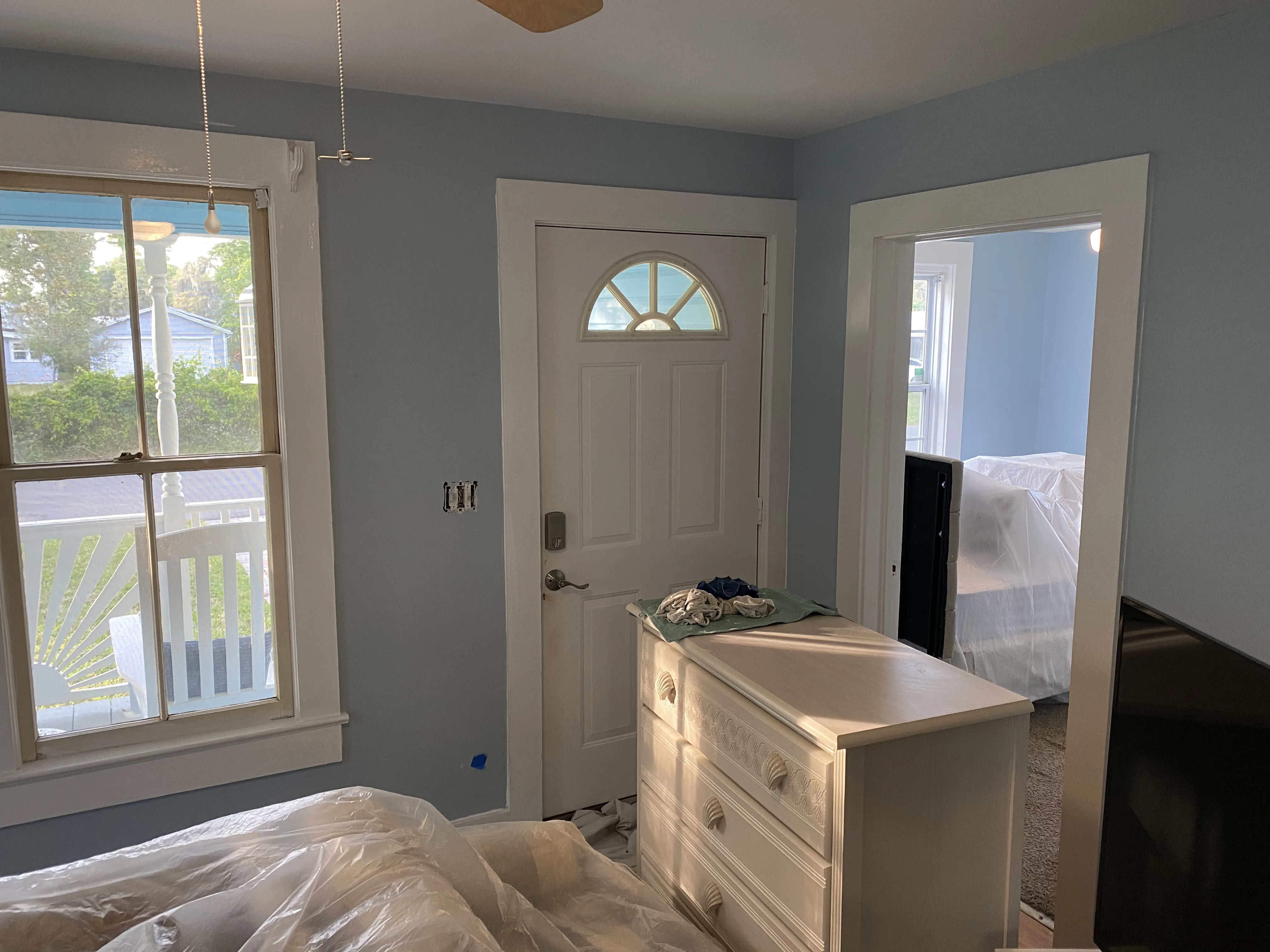
Once the room and product are understood, an interior painting plan can be built around the condition of the wall. That may include cleaning, a compatible preparation step and an interior-rated finish, but the right sequence depends on the existing coating and the manufacturer's directions. Good Fellas can help when the wall also has repairs, stains, failed texture or a broader room refresh that needs to be handled as one scope.
Garages and Utility Rooms Still Need a Product Match
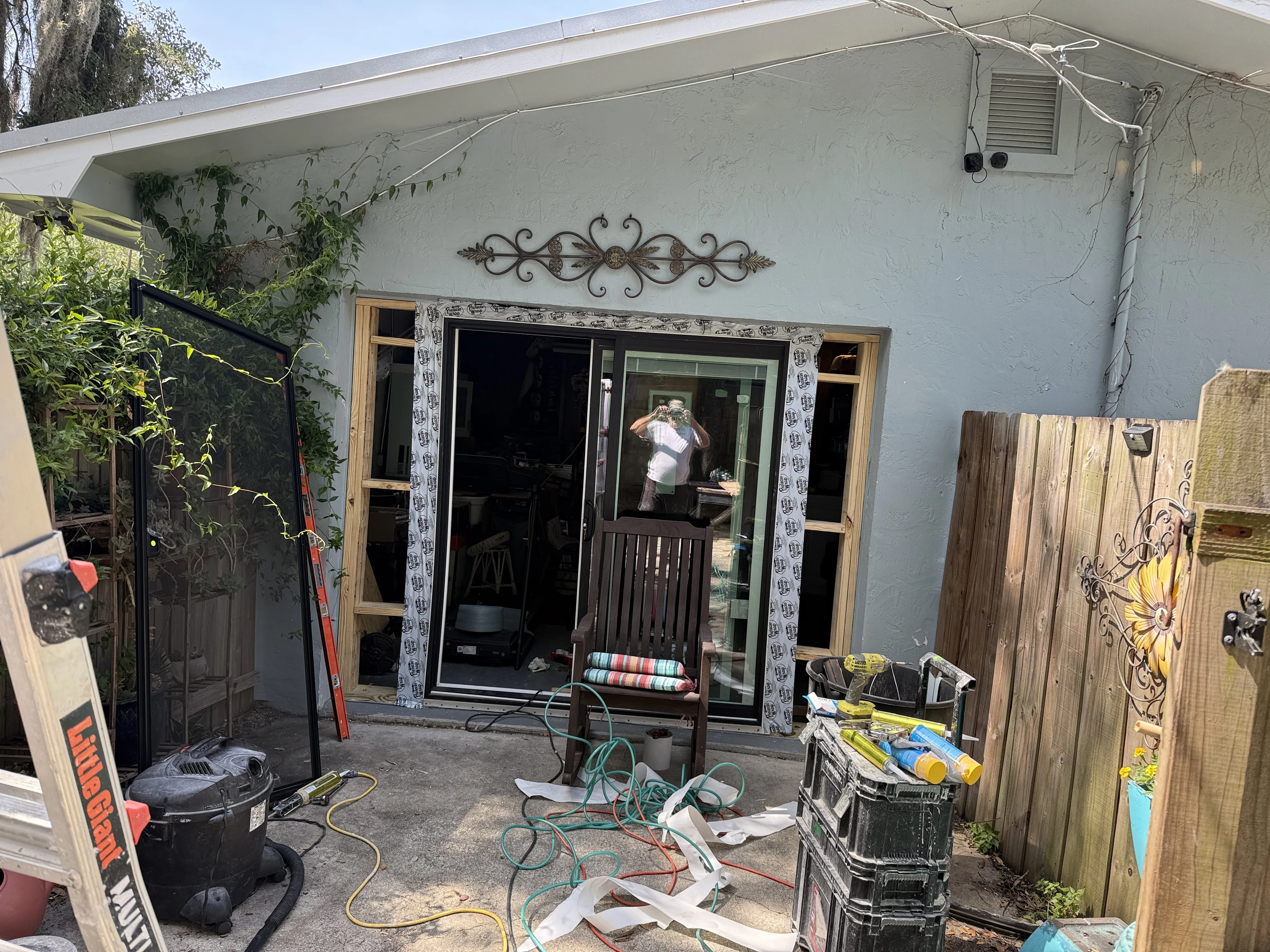
A garage, unfinished utility space or workshop may feel closer to the outdoors, but it is still not a reason to assume every exterior product belongs there. These spaces can have different ventilation, temperature, humidity and surface conditions from both an exterior wall and a finished living room. The label still decides where the paint can go and how it should be applied.
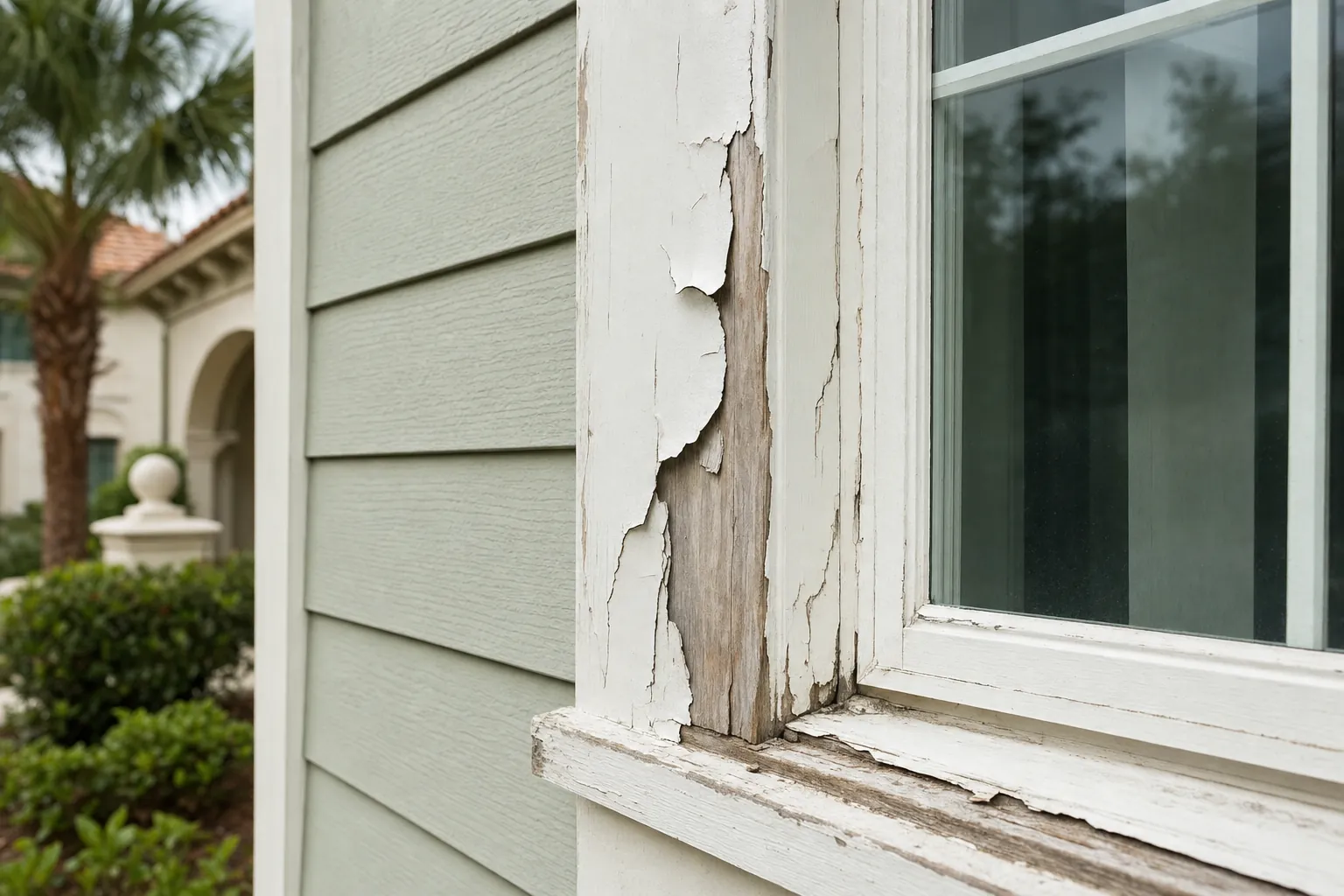
Start with the surface. Drywall, masonry, trim, a garage door, a floor and a previously painted wall can each call for a different system. If the space has water marks, peeling paint or an ongoing moisture issue, fix that condition before applying any finish. The guide to peeling exterior paint explains why a coating cannot solve an active surface problem on its own.
A Better Plan for Your Next Paint Project
Choose the paint for the room, prepare the surface it will cover and follow the instructions for that system. Good Fellas handles interior painting from one room to an entire interior, with preparation, painting and a final walk-through. For exterior work, Good Fellas refreshes siding, trim and exterior details with thoughtful preparation and durable finishing work.
If you are weighing a repaint, a repair or a whole-room refresh, request a quote with a few photos and the areas you want included. The first conversation can focus on the surface, the room and the result you want, then match the paint system to the work.