Baseboards and shoe molding
New baseboards can sharpen the transition between wall and floor, while shoe molding can finish an uneven edge cleanly. The right approach depends on the flooring, the existing trim and how the room is used.
St. Augustine, Florida
Baseboards, crown molding, casing and finish details that help the room feel considered from wall to floor.
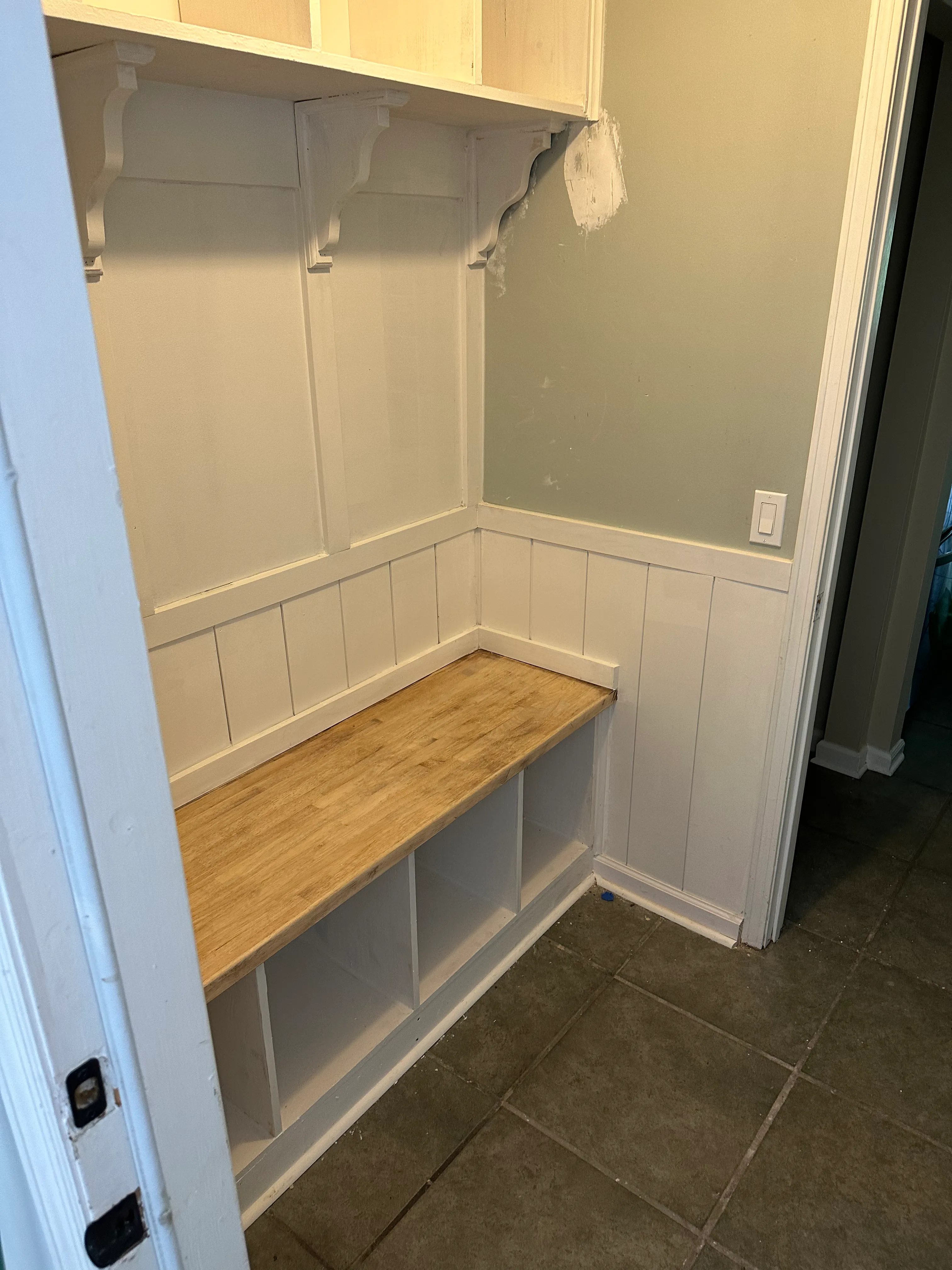
The finishing details
Trim is easy to notice when it is missing, damaged or mismatched. A new floor can make tired baseboards stand out. Fresh paint can make old door casing look rough. A drywall repair can be technically complete but still leave an opening, corner or wall transition feeling unfinished.
Good Fellas handles the practical finish work that helps those edges read cleanly again. That can mean replacing baseboards, adding casing around a door or window, installing crown molding, completing wall details or bringing trim into a room that has been refreshed in stages.
The best result starts with the room rather than a one-size-fits-all list. Existing trim, wall condition, floor height, door clearances, paint colors and the way rooms connect can all affect what belongs in the scope. A careful plan makes the finished detail feel like it belongs there.
Trim work for real rooms
From a single opening to a room-wide refresh, trim work is most useful when it resolves the transitions that make a space feel only partly done.
New baseboards can sharpen the transition between wall and floor, while shoe molding can finish an uneven edge cleanly. The right approach depends on the flooring, the existing trim and how the room is used.
Crown molding, ceiling trim and simple wall details can give a room more definition without changing its footprint. Careful fit matters at corners, ceilings, light fixtures and transitions into adjoining spaces.
Door casing and window trim are the details people see up close every day. Replacing worn material, finishing an opening after another project or bringing mismatched trim into a more consistent look can change how settled the room feels.
Trim work often belongs beside painting, drywall repair or another interior update. Planning those pieces together helps avoid a new wall color beside unfinished edges, old caulk lines or a repair that still draws attention.
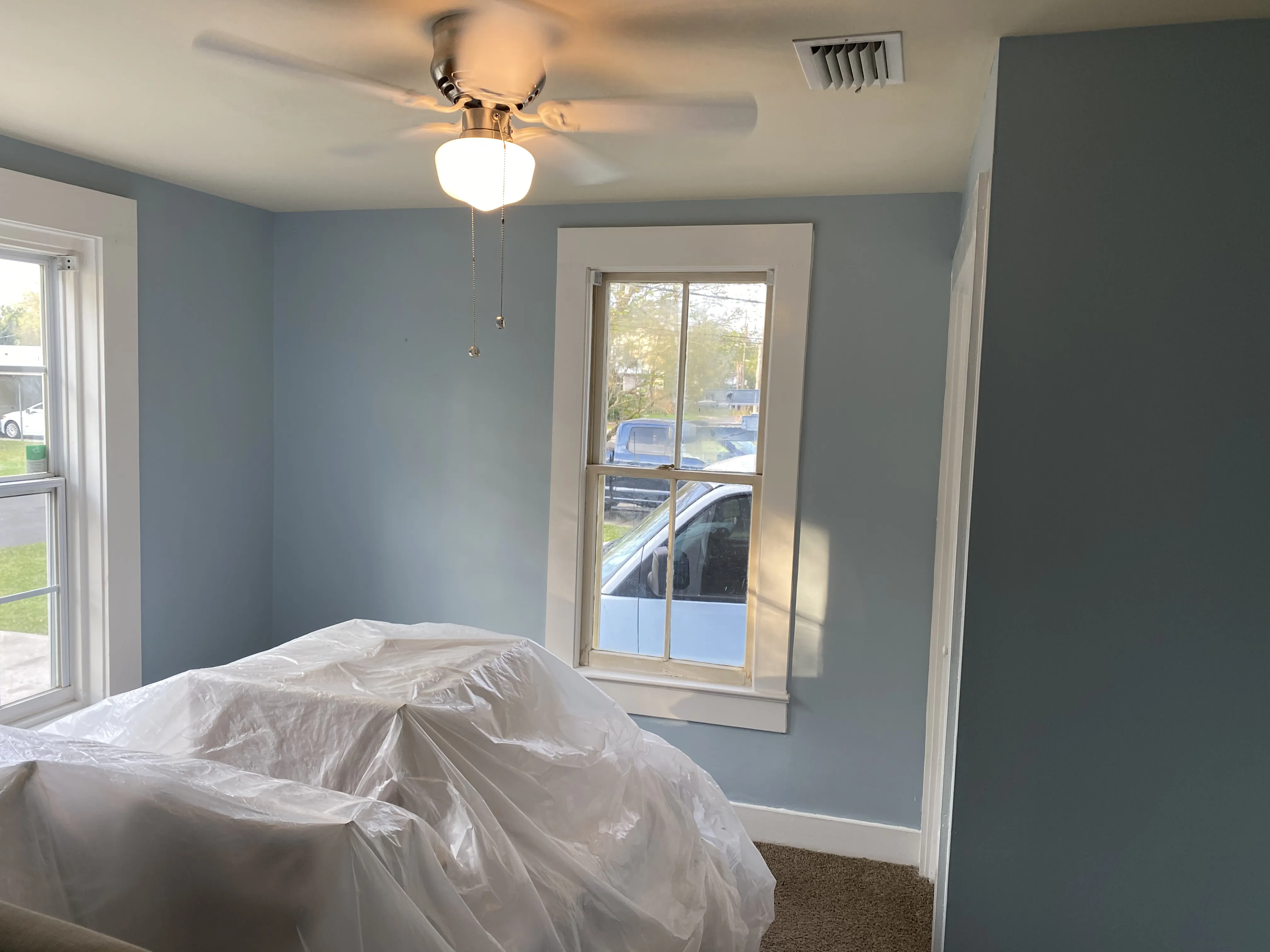
A better final edge
A room refresh can lose its impact when the finish stops at the wall. Baseboards can sit against a new floor, a repaired wall can meet older casing, and a fresh color can leave worn trim more visible than before. Looking at the connected work together gives the room a more natural endpoint.
Good Fellas can coordinate trim carpentry with interior painting, drywall repair and the practical repairs that need attention before the final finish goes on. For a fuller picture of this approach, see the documented interior finish work.
Where trim makes a difference
In an entry or hallway, clean casing and baseboards make the spaces people pass through every day feel maintained rather than overlooked. In a bedroom or living room, crown molding, wall trim or a sharper door opening can add the finishing line that makes a repaint feel settled. In a condo or rental, repaired and consistent trim can make a handoff feel more deliberate for the next owner, tenant or guest.
Trim work can also solve practical concerns. A replacement door may need casing to match the rest of the home. New flooring may change the line where the wall meets the floor. A built-in, shelf or wall treatment needs a clean transition into the surrounding room. These are the moments when finish carpentry is less about adding decoration and more about making the work around it look complete.
If the project includes a broader list of repairs, installations or home details, the St. Augustine handyman service can help connect the smaller tasks around the space. The important part is starting with what the room needs to feel finished, then deciding which details belong together.
Planning the work
You do not need a perfect plan before reaching out. A little context about the room, the condition and the result you want makes the next step easier to define.
Share what feels unfinished or out of place. That may be worn baseboards, a doorway that needs casing, a ceiling line that needs more definition, uneven transitions or trim that no longer matches the rest of the home.
Clear photos of the room, doorways, windows and adjoining trim can make an early conversation more useful. If you have a product or molding profile in mind, include that too.
Mention painting, drywall repair, flooring, a built-in, a door replacement or any other work happening around the same area. Those details help determine what should be completed first and how the finished edges should meet.
Before work begins, it helps to discuss access, furniture, occupied rooms and the timing that matters to the household or property. The goal is trim that looks intentional in the room, not a small project that creates a larger disruption.
Frequently asked questions
Good Fellas can discuss practical interior finish work such as baseboards, crown molding, door casing, window trim, wall details, shelving and the trim work that helps a room feel complete. The best fit depends on the existing space, materials and the result you want.
Yes. Trim work can be planned after flooring, drywall repair or another interior update so the finished edges meet cleanly. Mention the related work when you request a quote so the sequence can be discussed clearly.
Yes. When trim and painting belong together, Good Fellas can discuss both as part of one project. Handling the finish details before the final paint work helps the room look more complete at the final walk-through.
No. You can start with the room and the look you want to improve. Photos, a preferred style or an existing profile you want to match are useful, but they are not required to begin the conversation.
Include the property location, the rooms or openings involved, a few clear photos, any paint or repair work happening nearby and your timing. Measurements and product details are helpful when you have them.